
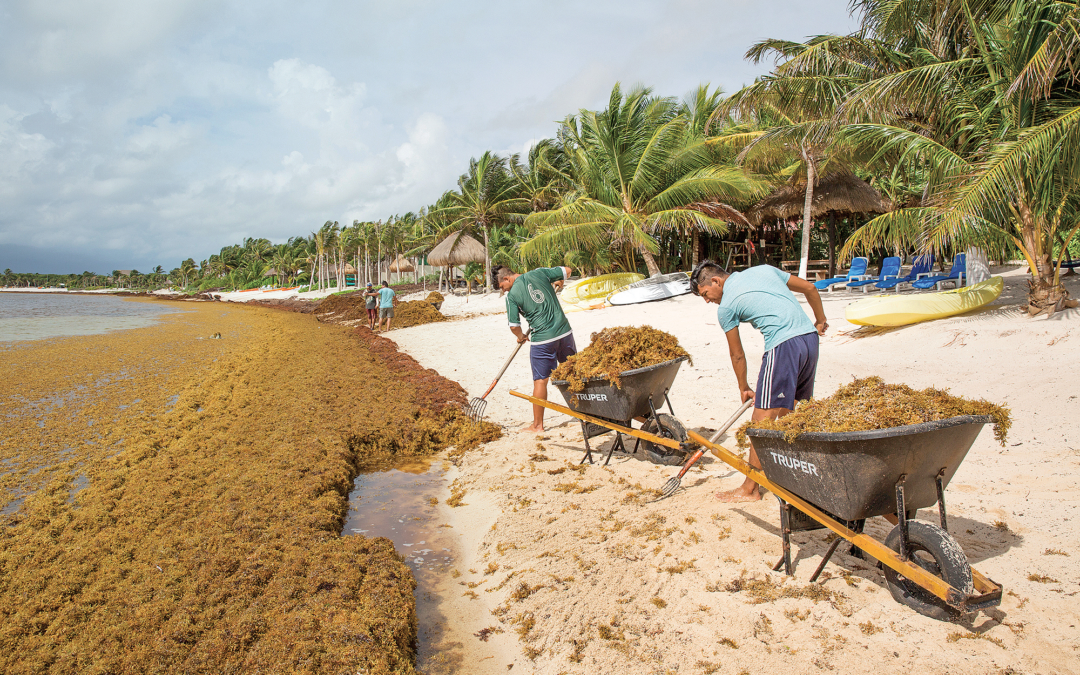
When Paradise Turns Brown: What Travelers Should Know About Sargassum
Across the Caribbean, the Gulf of Mexico, and the Atlantic coastline, pristine turquoise shores increasingly confront a seasonal transformation. Masses of floating brown seaweed known as sargassum drift ashore in immense volumes, altering postcard-perfect beaches, generating pungent aromas, and reshaping vacation plans for millions of travelers each year.
While seaweed blooms are a natural phenomenon, their unprecedented scale over the past decade poses critical questions for coastal communities, marine ecosystems, and travelers seeking sun and sand. Navigating a seaside holiday during sargassum season requires an understanding of where it comes from, why it arrives, and how responsible travelers can adapt their itineraries without abandoning their tropical holiday dreams.
Read the original Mexico sargassum story in The Portugal News
What is Sargassum?
Sargassum is a genus of large brown macroalgae that floats freely in the open ocean. Unlike most marine flora anchored to seabed reefs, pelagic sargassum species such as Sargassum natans and Sargassum fluitans never attach to the ocean floor. Instead, they reproduce vegetatively on the surface, buoyed by gas-filled berry structures called pneumatocysts.
Key Definition
Sargassum is a free-floating brown macroalgae that forms rich pelagic ecosystems at sea but undergoes rapid decomposition when washed ashore, releasing hydrogen sulfide gas and creating thick physical barriers along shorelines.
In the open Atlantic—most famously the Sargasso Sea—these floating rafts act as crucial pelagic habitats, providing nursery grounds, foraging territory, and sanctuary for over 120 species of fish, endangered sea turtles, crabs, and seabirds. However, when prevailing currents push millions of tons of this biomass into enclosed bays and coastal resort strips, ecological benefits invert into environmental stress.
The Ecological Ripple Effect
When enormous mats of sargassum accumulate in shallow waters, they block solar radiation essential for coral reefs and native seagrass meadows. As the seaweed dies and settles onto the substrate, microbial decomposition consumes dissolved oxygen, creating coastal dead zones that choke fish, conch, and spiny lobsters.
Environmental Impact Note
Massive beach wash-ups smother sea turtle nesting sanctuaries, entrap emerging hatchlings, and release high concentrations of heavy metals like arsenic and leachate into nearshore groundwater tables during extended land decomposition.

Scientific research links the sudden surge in blooms since 2011 to the Great Atlantic Sargassum Belt—an 8,800-kilometer expanse driven by warmer sea surface temperatures, altered ocean circulation, and heavy agricultural nutrient runoff discharged from the Amazon, Orinoco, and Mississippi River basins.
Key Warnings and Conditions
Travelers visiting affected zones should understand that sargassum presence fluctuates dramatically by season, tidal flow, and local wind direction. While fresh seaweed floating offshore is largely harmless, shoreward accumulation presents distinct practical concerns.
Traveler Health & Safety Notice
Rotting sargassum emits hydrogen sulfide gas (characteristic rotten-egg odor), which can irritate eyes, noses, and throats in sensitive individuals, asthmatics, or children. Direct contact may also harbor tiny marine organisms like hydroids that trigger mild skin rashes or dermatitis.
Before scheduling open-water swimming or snorkeling, check daily hotel alerts and coastal advisory flags. If water visibility drops to near zero or heavy surf piles weed onto the shore breaks, shift swimming plans to cenotes, tranquil lagoons, or resort freshwater pools.
Navigating Sargassum-Affected Beaches: A Traveler's Guide
An influx of seaweed does not have to spoil your tropical itinerary. Coastal geography plays a decisive role: while east-facing beaches exposed to open ocean currents receive heavy accumulation, west-facing coves, leeward shores, and island interiors frequently remain crystal-clear.
Traveler Action Advice
Monitor satellite monitoring platforms such as the University of South Florida's Sargassum Watch System (SaWS) and local coastal webcams prior to booking. Choose accommodations situated on leeward coasts or properties providing active daily beach maintenance and excursion alternatives.
Flexibility is your greatest asset. Renting a car or joining guided inland excursions allows you to pivot smoothly toward freshwater springs, cenotes, archaeological ruins, colonial towns, and sheltered bays on days when open-coast beaches experience peak landings.
How to Enjoy a Beach Destination During Sargassum Season
Nine practical strategies to help you navigate ocean conditions, discover secluded clear waters, and make the most of your coastal vacation.

Check current conditions
Tip #1
Consult live satellite maps, local government monitoring networks, and coastal community social media groups before booking and immediately prior to arrival.
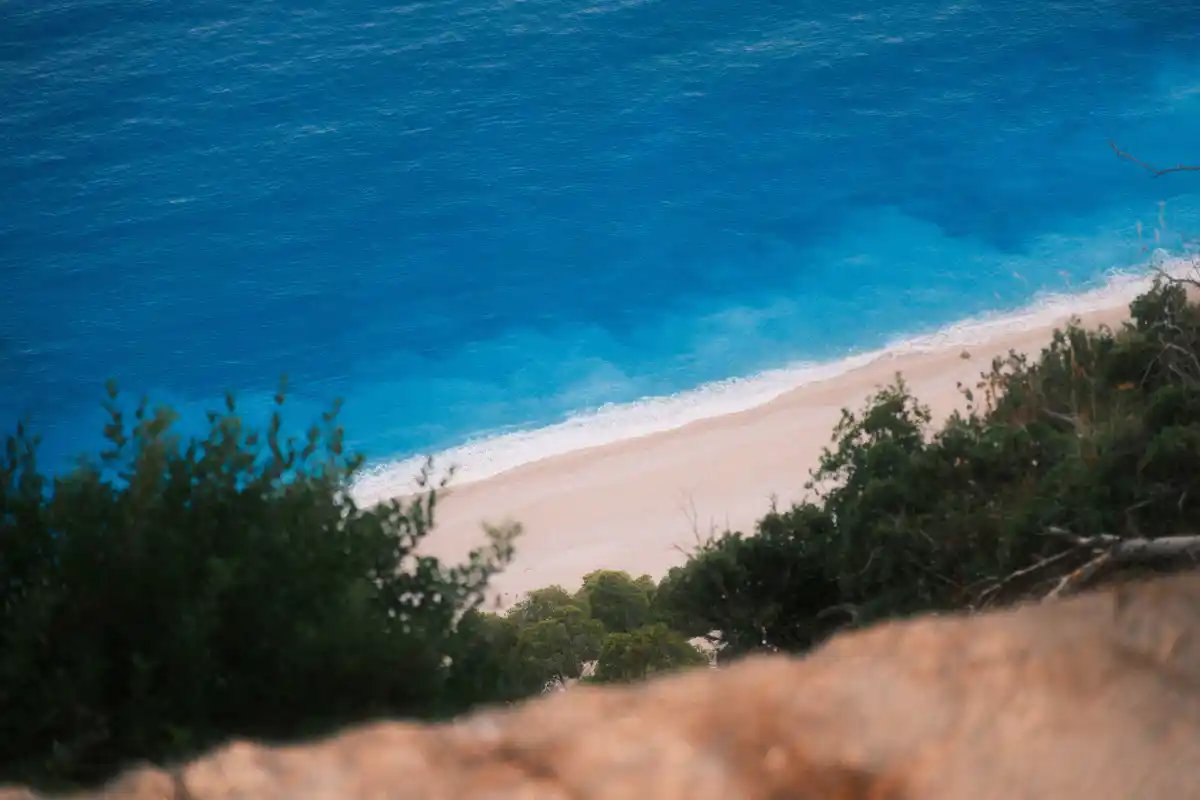
Chat w/ Hotel
Tip #2
Ask them if they deploy marine barriers or conducts manual eco-friendly daily cleanups that keep private beach strips accessible and comfortable.
Select resorts or boutique hotels located on sheltered bays, leeward sides of islands, or coastlines facing away from prevailing ocean currents.
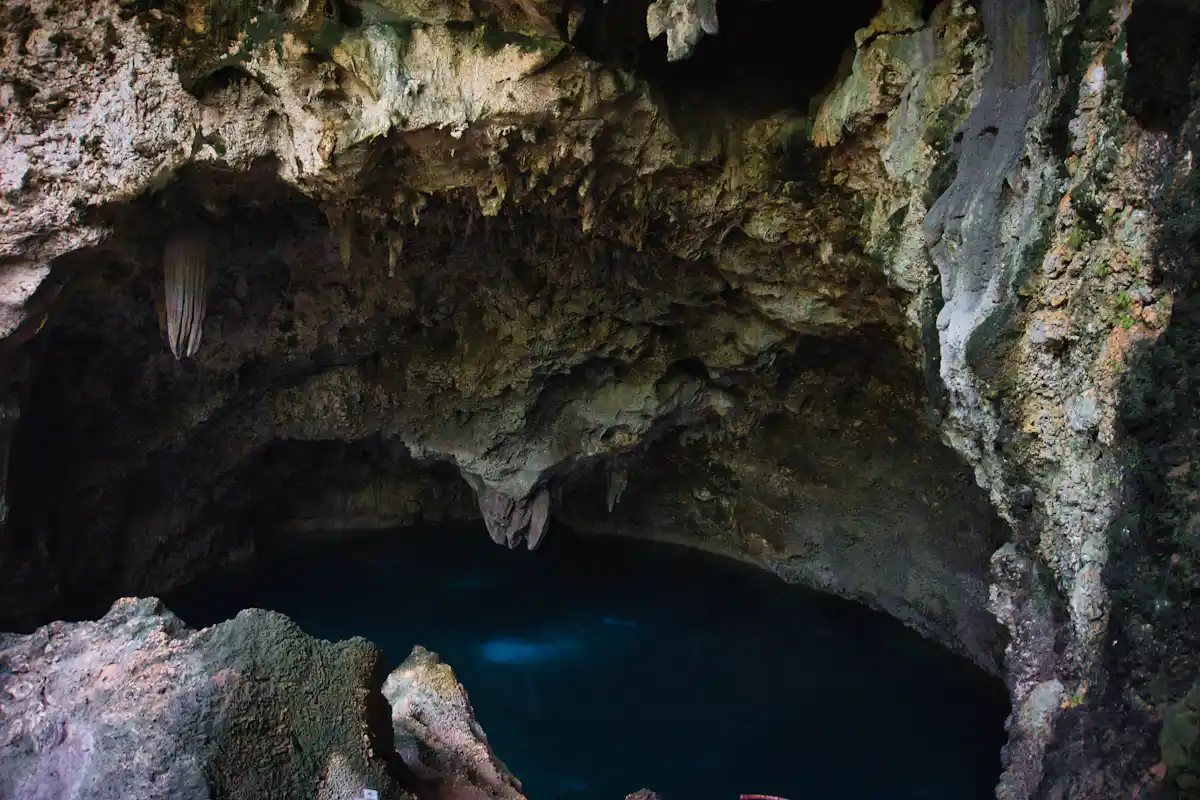
Know Your Geography
Tip #3
Explore inland swimming alternatives such as freshwater cenotes, secluded river springs, waterfall basins, and hotel oceanfront swimming pools.
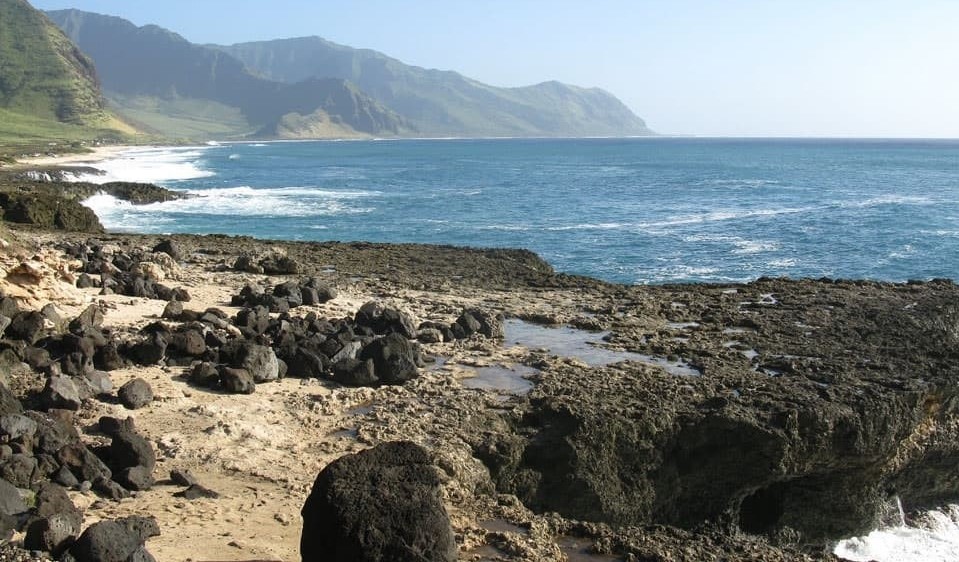
Build Flexible Beach Days
Tip #4
A pool day today and snorkeling excursion tomorrow may make more sense than forcing the itinerary you planned months earlier. Leave space for Mother Nature to suprise you.
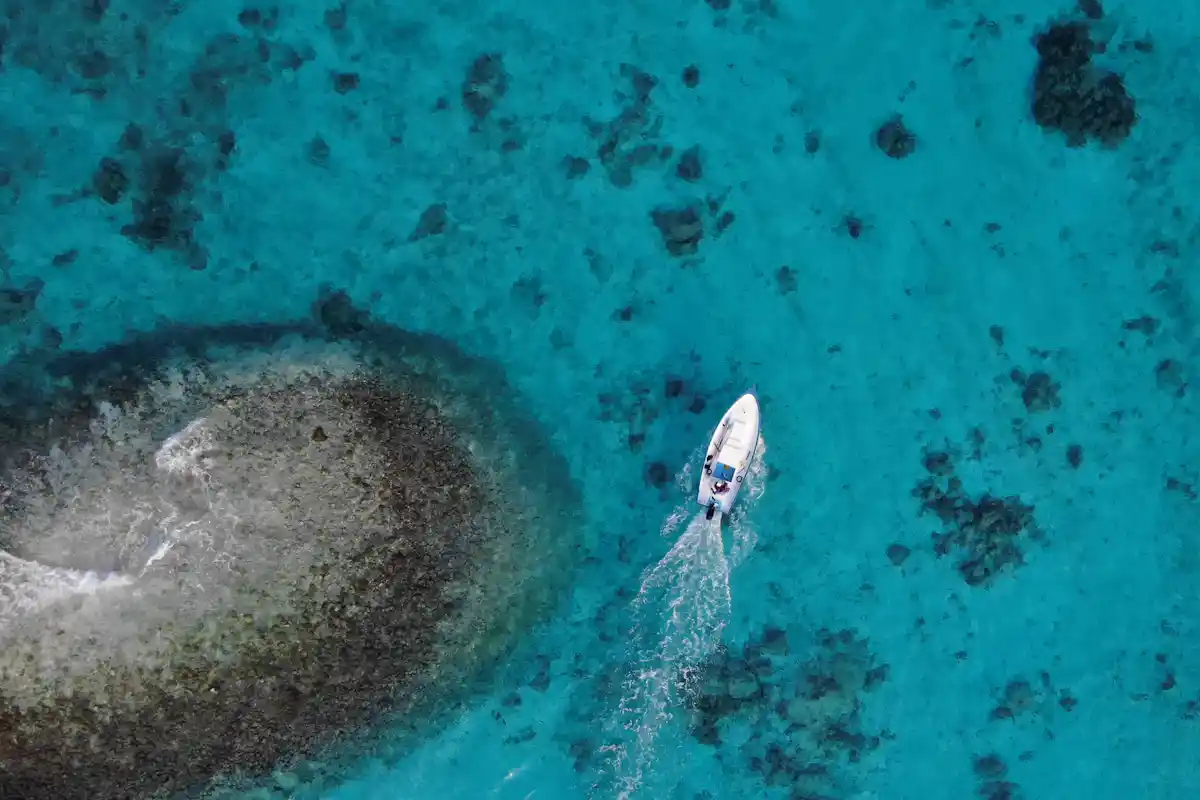
Explore Off-Resort
Tip #5
Sargassum concentrated along a shoreline does not necessarily mean surrounding waters are unusable. Boat trips, offshore reefs and other beaches may offer completely different conditions.
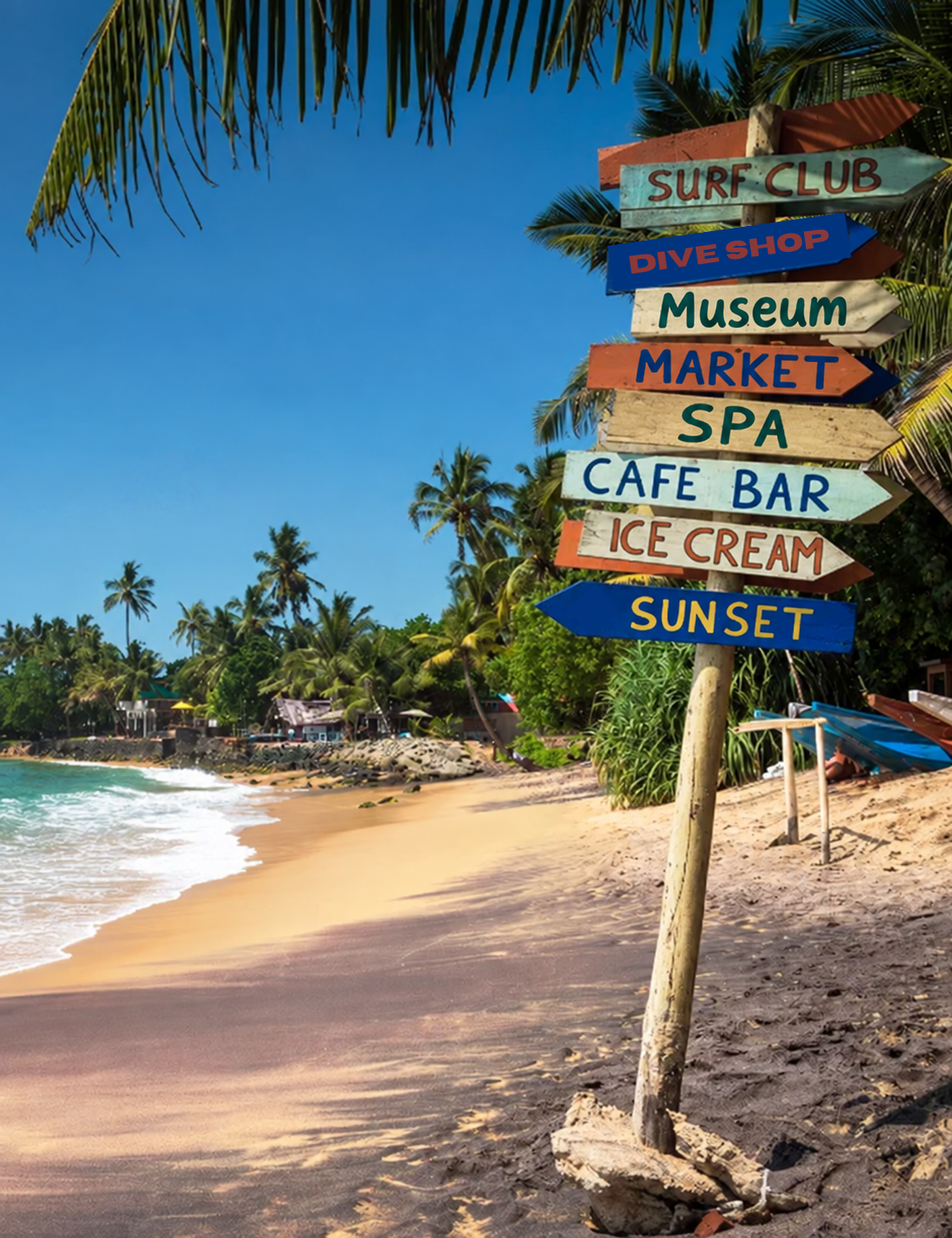
Diversify your itinerary
Tip #6
Yes, you want a bech vacation for the beach, but there's always so much more to a destination.
Visit local restaurants. Take a cooking class. Explore historical sites. Hire a local guide. Visit artisans. Hike. Kayak. Learn about the culture that exists beyond the resort shoreline.
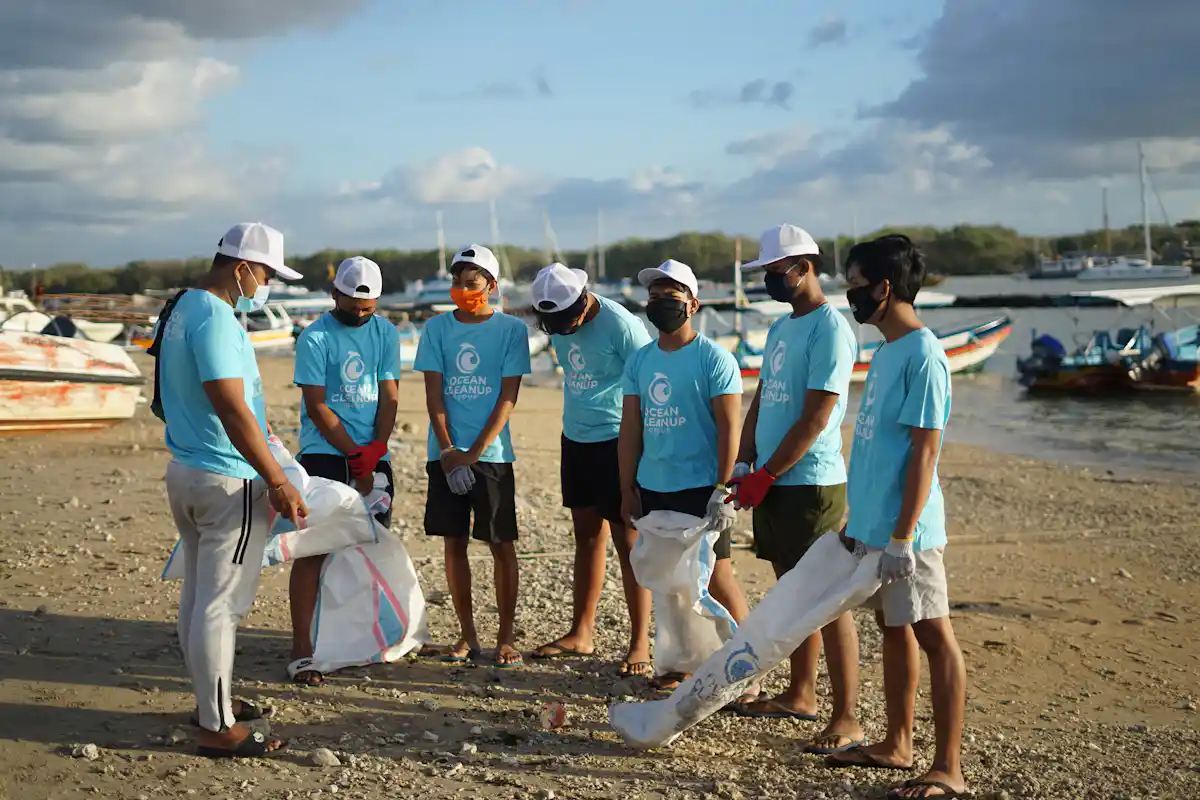
Support Local Efforts
Tip #7
Support community-led coastal cleanups and patronize local businesses investing in sustainable algae transformation and ecological research projects.
The Bigger Picture: Research and Solutions
Rather than viewing sargassum solely as an unsightly nuisance, scientists, entrepreneurs, and local communities are pioneering creative methods to harvest, repurpose, and convert excess seaweed into viable sustainable resources.
Sustainability Perspective
Innovative enterprises across the Caribbean basin are turning dried sargassum into organic agricultural fertilizer, eco-friendly building bricks, biodegradable bioplastics, and clean biogas energy—transforming a coastal crisis into a circular bio-economy.
Governments and international consortiums continue collaborating on regional satellite alert networks, oceanic deflection barriers, and mechanized offshore harvesting vessels designed to collect floating mats before they decompose along vulnerable coastlines.
Understanding sargassum allows travelers to approach beach vacations with realistic expectations, environmental empathy, and adaptable itineraries. The tropics remain a wonderland of vibrant culture, rich biodiversity, and breathtaking landscapes—even when nature presents unexpected challenges.
By staying informed, planning flexibly, and supporting coastal communities facing these ecological realities, vacationers can experience unforgettable holidays while fostering responsible stewardship of our shared oceans.
Read the original Mexico sargassum story in The Portugal News