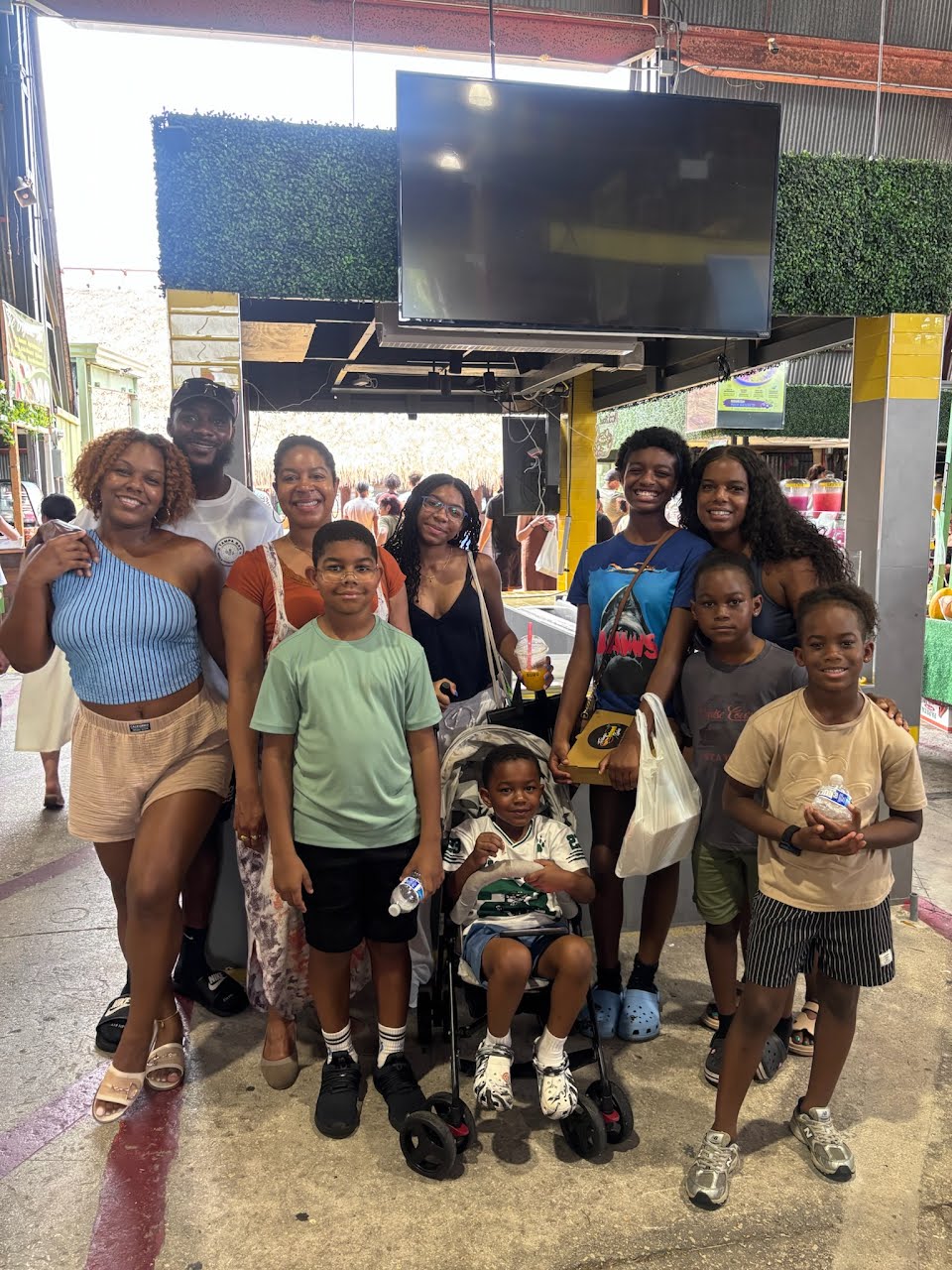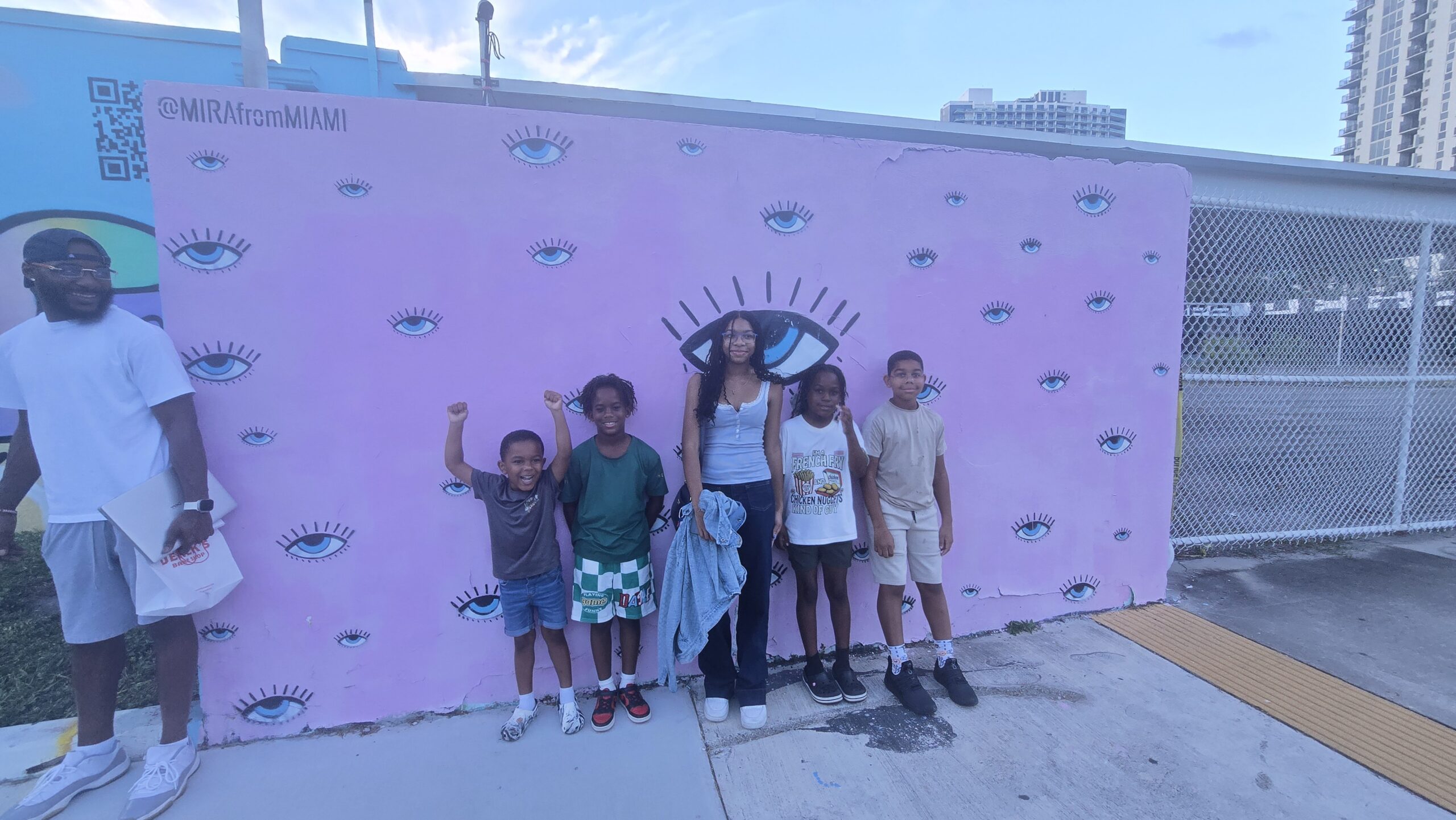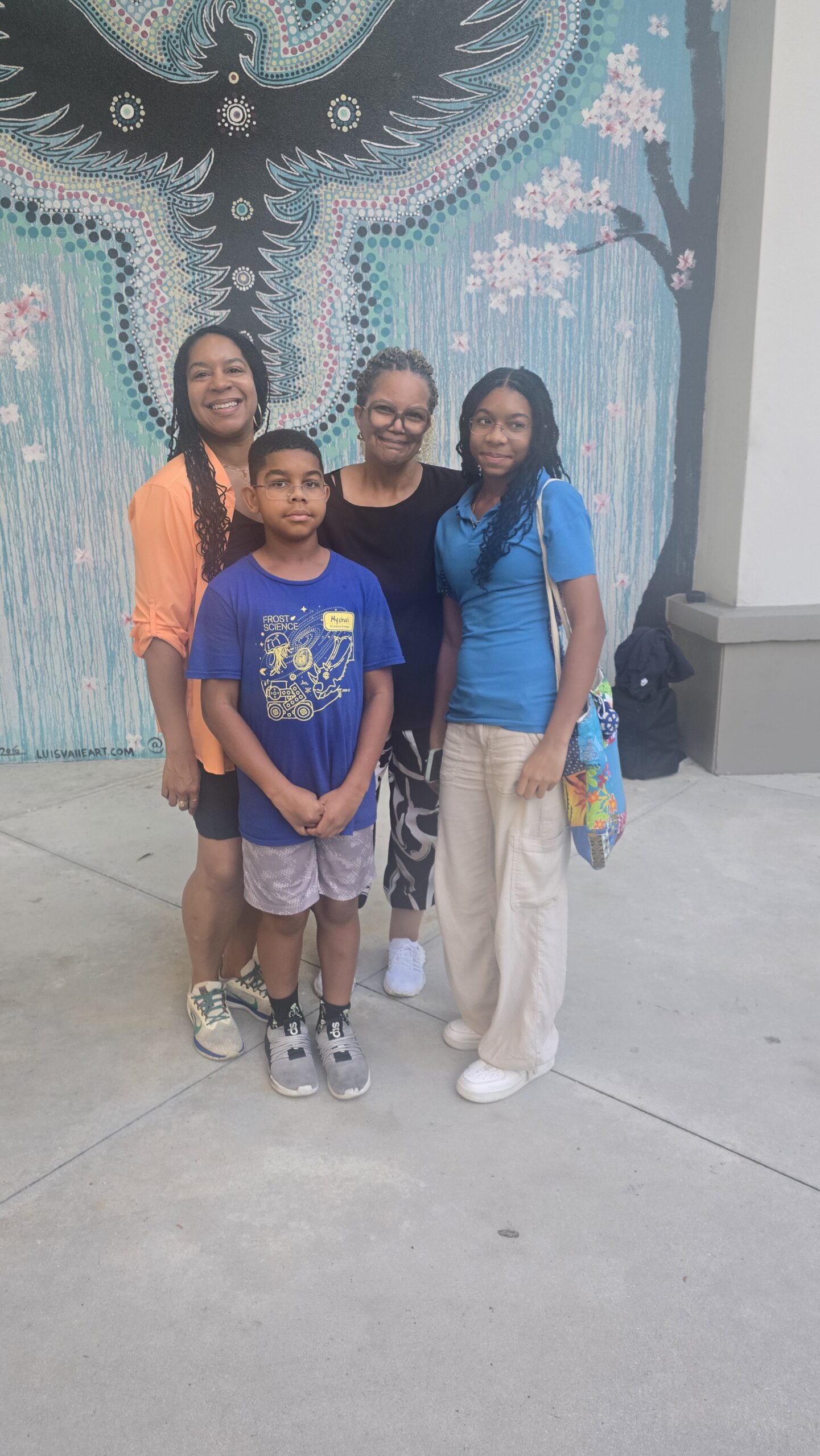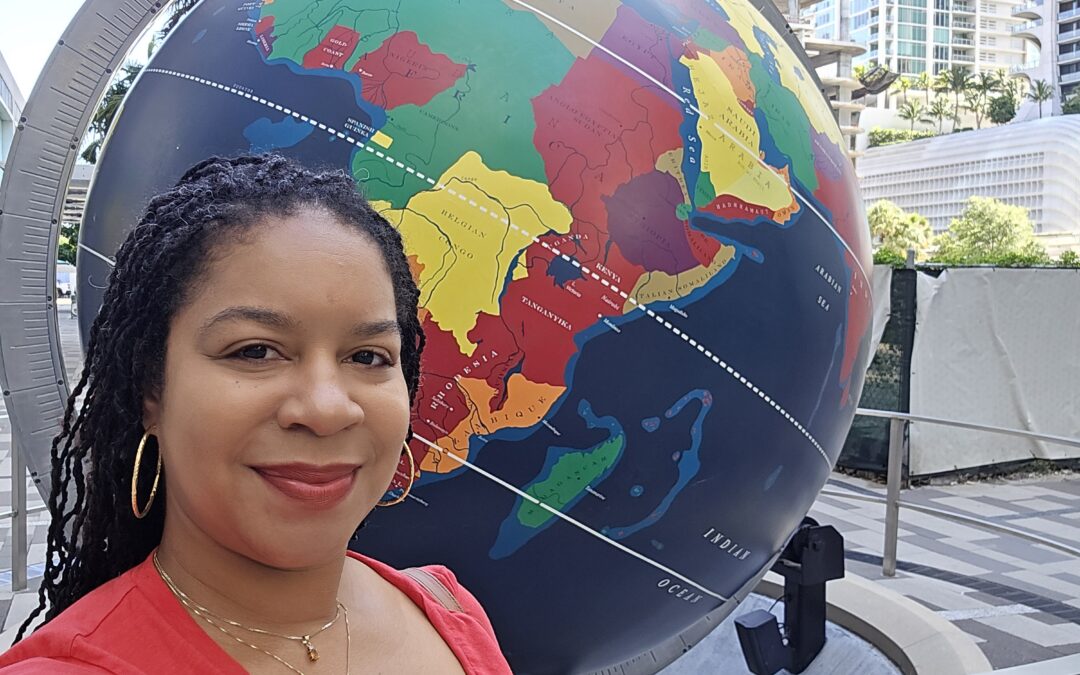
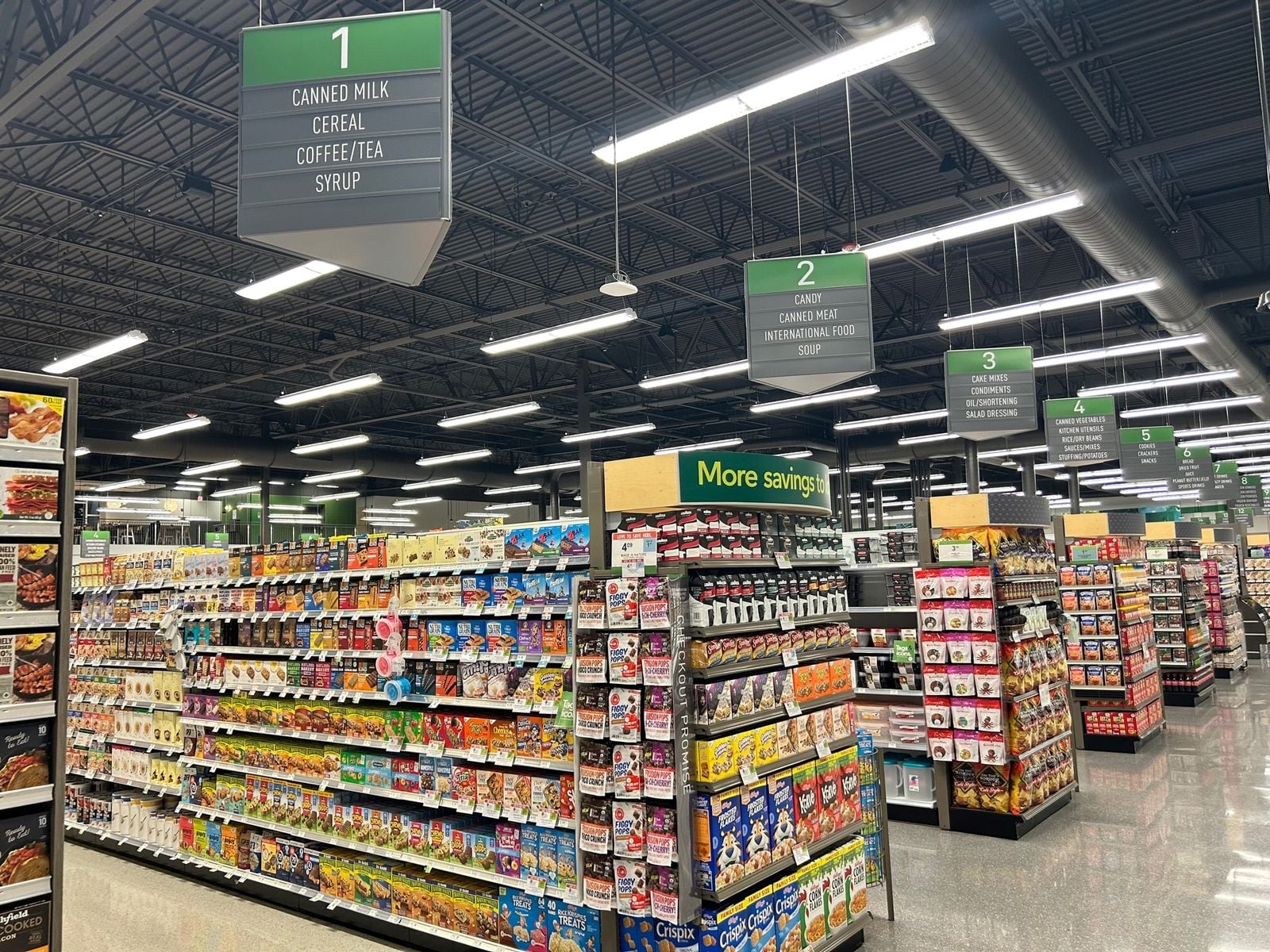
I told my kids we were going to Publix. They gave me the kind of blank stare usually reserved for high-school algebra. If you have ever lived in Florida, you know Publix isn't just a grocery store; it is a religion where the high priest wears a green apron, and the holy sacrament is a Chicken Tender Sub with the Publix iced tea. My kids, however, didn't remember being there, even though we go EVERY time we are in the US. That was the exact moment I realized this "repatriation" trip was going to be a wilder ride than any jungle trek we had ever survived.
It only got more ridiculous from there. We walked through those sliding doors and my offspring stood frozen in front of the cereal aisle, looking like they'd accidentally wandered into a museum exhibit they weren't qualified to curate. There were 37 different cereals. There were 57—yes, fifty-seven—varieties of turkey bacon. In our life abroad, you get a handful of solid options, you pick one, and you move on with your life like a functioning adult. Here, Choice is its own full-blown spectacle. Watching my children try to process that one building could hold that much "stuff" was easily the highlight of my summer.
Then there was the grid. The glorious, predictable grid. My kids are finally at the age where they care which direction the car is pointing, and explaining Florida street logic to children raised in cities where roads are laid out like someone threw a bowl of wet spaghetti at a map was pure joy. I got to say things like, "Just take Biscayne Boulevard (aka US 1) straight up to Delray," and actually watch their brains click. Numbered streets? Logic? No one-way alleys designed specifically to sabotage your GPS? It felt like a mathematical revelation
Publix, Camps, and Cousins:
Inside Our Very Expensive American Summer
In the Foreign Service, families get what is called repatriation time in the United States, time meant to help you reconnect with what it actually means to be American after years away. I have done versions of this before, but always split across multiple cities, always in between postings, with our belongings sitting in a shipping container somewhere between one life and the next. The last time we spent this much time stateside, before we moved to Panama in 2024, it was split across Detroit, Washington DC, and Florida, and it never once felt like it landed anywhere. This trip did require a weekend in Detroit, for my stepfather's funeral, which was its own hard, necessary thing. But outside of that one weekend, we stayed put. One location. And staying put, for once, made all the difference in how much we actually got to enjoy ourselves and the family we came to see.
That difference matters more than I expected going in. If you are a Foreign Service family trying to figure out how to structure a meaningful summer stateside, here it is plainly: the version of repatriation that actually works is the one you get to design yourself, and staying in one place beats bouncing between three every single time.
REPATRIATION: A FANCY WORD FOR "WHERE AM I?"
In the Foreign Service world, families get "repatriation time," which is meant to help you reconnect with your 'Murica roots. Usually, we spend this time bouncing between three different cities while our life's belongings sit in a shipping container somewhere in the Atlantic. Before we moved to Panama in 2024, our stateside time was a blur of Detroit, DC, and Florida. This time, despite a quick, necessary weekend in Detroit for my stepfather's funeral, we stayed put. One location. One home base. And let me tell you, "staying put" is the secret sauce for not wanting to pull your hair out by day four.
The lesson here is simple: the version of repatriation that actually works is the one you design yourself. If you have the choice between seeing ten relatives in ten cities or one relative in one city with a pool? Pick the pool. Every. Single. Time.
Summer Camps and Lessons Learned
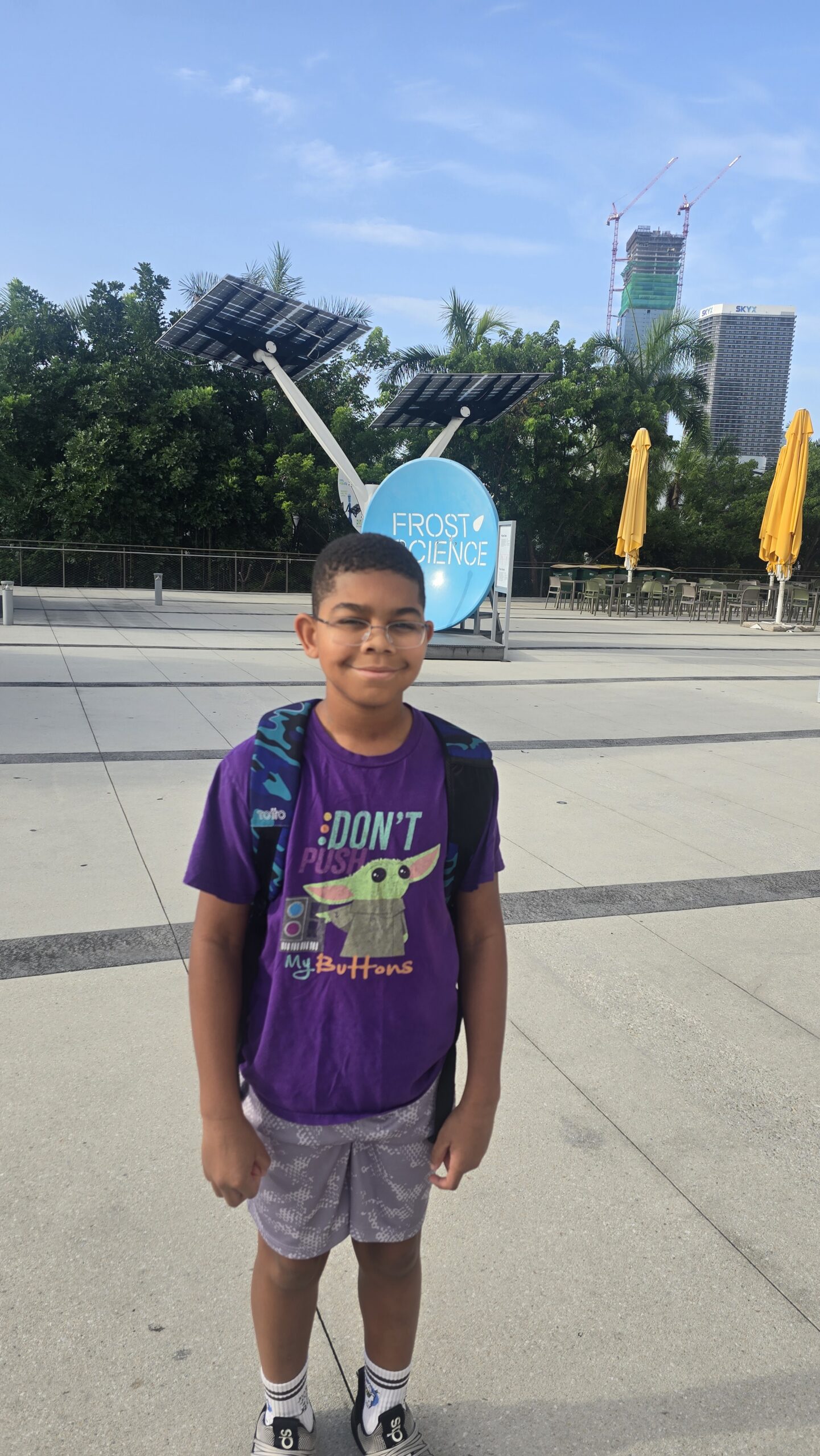
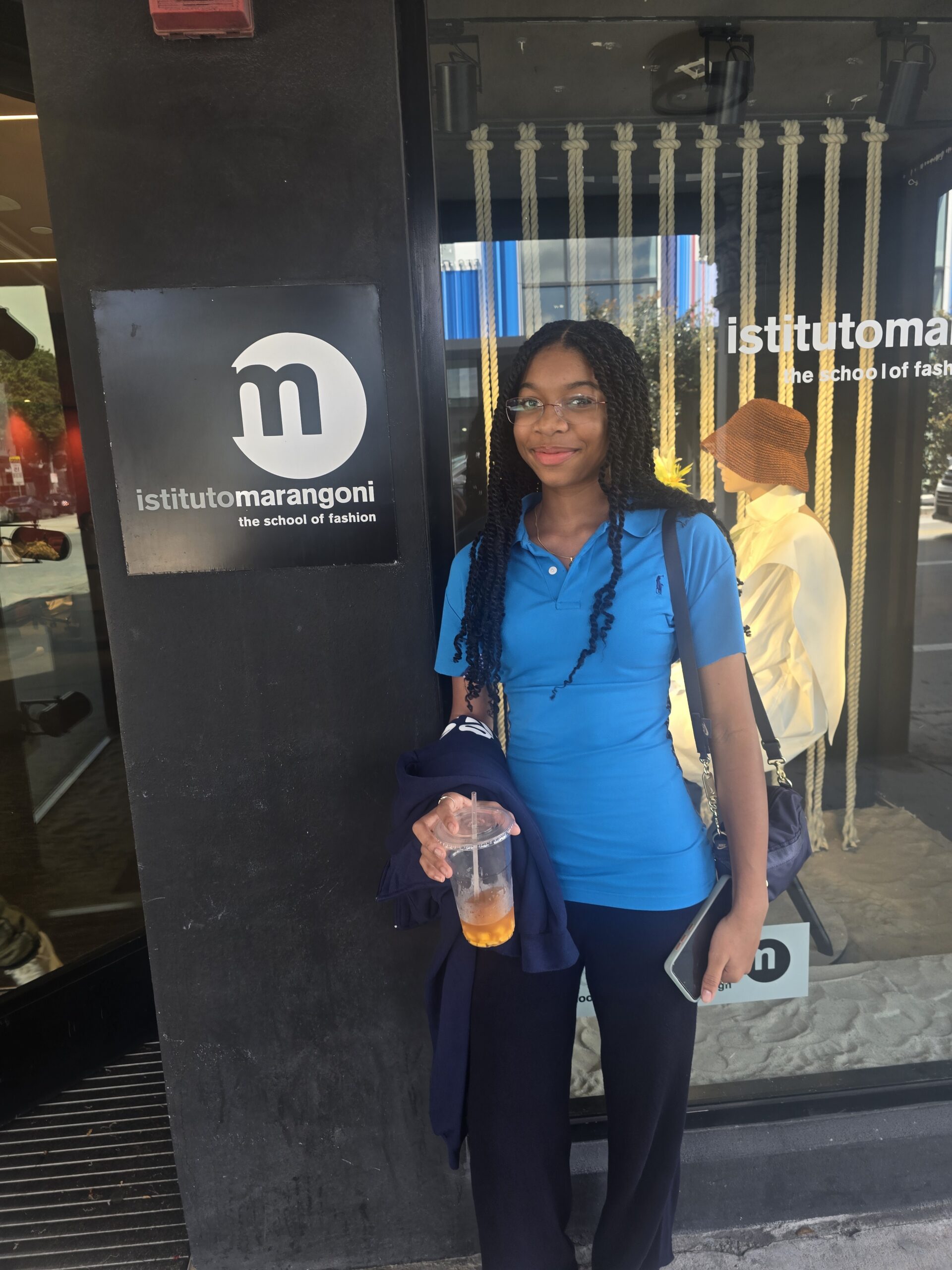
We chose Miami for our daughter, who is teetering between her destiny as a fashion designer or marine biologist – yes, I know - wildly different. Naturally, we booked her into a high-octane two-week stint at the Miami Fashion Institute. My son's science camp was essentially the "consolation prize"—an add-on so he wouldn't spend the whole trip staring at a screen while his sister draped fabric. Both camps were "intentional," even if only one was the actual reason we drained the savings account.
In the interest of full transparency, the science camp was a bit of a bust. It cost north of $500 dollars, and my son's review was a four-word shrug: "It wasn't that exciting." Cool. Great. Glad I spent half a grand on a lukewarm "meh." Apparently, a parent's primary job description is "Failing Forward on Behalf of Very Opinionated Children."
Hindsight is 20/20, but he's eleven. At eleven, his ideal "enrichment program" is just wrestling with his cousins at the trampoline park. I could have dropped him at my sister-in-law's for the price of a pizza and gotten more enthusiasm. #MoneyWellWasted.
On the flip side, my daughter loved the Fashion Institute—to the tune of $2,000 worth of "loved." She came out of it genuinely inspired for tenth grade. Watching them both—one thrilled, one totally unimpressed—reminded me that flexibility isn't just about liking everything. It's about having the guts to say, "Mom, that was boring, please don't book it again."
Being in Miami also kept us close enough to our Broward and Palm Beach family for real quality time, but far enough away that I didn't have to share my morning coffee every single day. It was the perfect "grandparent-cousin-connection" balance.
THE PRICE OF BEING A GUEST IN YOUR OWN HOMELAND
Nobody warns you that playing tourist in your own country is basically a financial stress test. The rental car alone was $2K. Toss in the FIFA World Cup surge pricing for an Airbnb in the Design District (three thousand plus), and my bank account started making a high-pitched whistling sound. Add in food, gas, and a little shopping, and you've got a total that requires a very strong glass of wine to review. This is why thorough family travel planning is non-negotiable.
Sustainable Family Travel
Of course, we brought our own reusable water bottles and containers for camp snacks and day trips. We looked like we were prepping for a survivalist trek while just trying to buy yogurt at Publix. It was a running joke, but hey—at least we weren't drowning in single-use plastic while we were drowning in credit card charges.
Was the 305 Worth the Cost for Us?
If we had stayed in Panama, my kids would have spent three weeks becoming one with their mattresses and video games. Instead, we dropped a small fortune so they could chase their interests, learn that Florida streets actually make sense, and hug their cousins and grandparents. I'd pay for it all again—the overpriced rental car and the boring science camp included—just to see them actually *experience* America with family and friends.
If you're trying to figure out how to survive (and enjoy) your own stateside trip, I'm here to help. Head over to expatstraveling.com/planning and fill out a Strategic Leisure Travel™ form. Let's chat to help you build a trip that's actually worth the credit card bill.